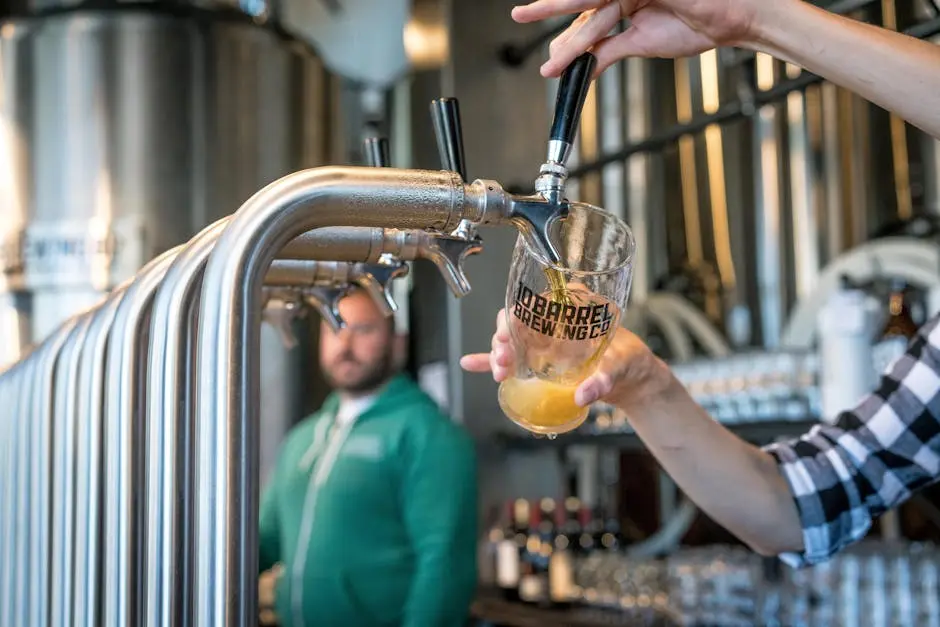
Foamy beer can be a real party pooper, but did you know that regular maintenance is key to keeping your brews bubbly and enjoyable? Whether you’re a home brewer or a bar owner, understanding how to manage your kegging system and equipment is crucial. In this blog, we’ll dive into the common causes of foamy beer and how regular maintenance can save you from those frustrating frothy pours.
Understanding Foamy Beer: The Basics
Before we tackle maintenance, let’s explore what causes foamy beer. Learn about how temperature, pressure, and carbonation levels affect your brew’s appearance and taste.
To put it simply, foam is produced when carbon dioxide is released from the liquid. A variety of factors, including how well the beer was carbonated, the serving temperature, and line length, can influence this process. Understanding these elements will pave the way for smoother pours.
For example, if beer is served too warm, the carbonation may escape too quickly, resulting in an excessive amount of foam. On the other hand, low temperatures can lead to under-carbonation. Therefore, mastering the science behind these basic elements is essential for anyone looking to pour the perfect pint.
Common Causes of Foamy Beer
From over-carbonation to temperature fluctuations, several factors contribute to excessive foam. Identifying these issues is the first step toward maintaining a perfect pour.
Over-carbonation is one of the most common culprits. When too much carbon dioxide is injected into your beer, it creates a thick layer of foam upon dispensing. This can easily be attributed to improperly calibrated equipment or incorrect recipes. Ensuring that your carbonation levels are set correctly for the type and style of beer you are brewing will minimize this problem.
Another factor to consider is the cleanliness of your dispensing lines. Accumulated residue can block the passage of liquid, forcing beer to travel at a faster rate, which in turn jeopardizes the integrity of the pour. Cleaning routines are vital to avoid these pitfalls. Additionally, watch out for variations in serving temperature; fluctuations can wreak havoc on your brew’s desired pour.
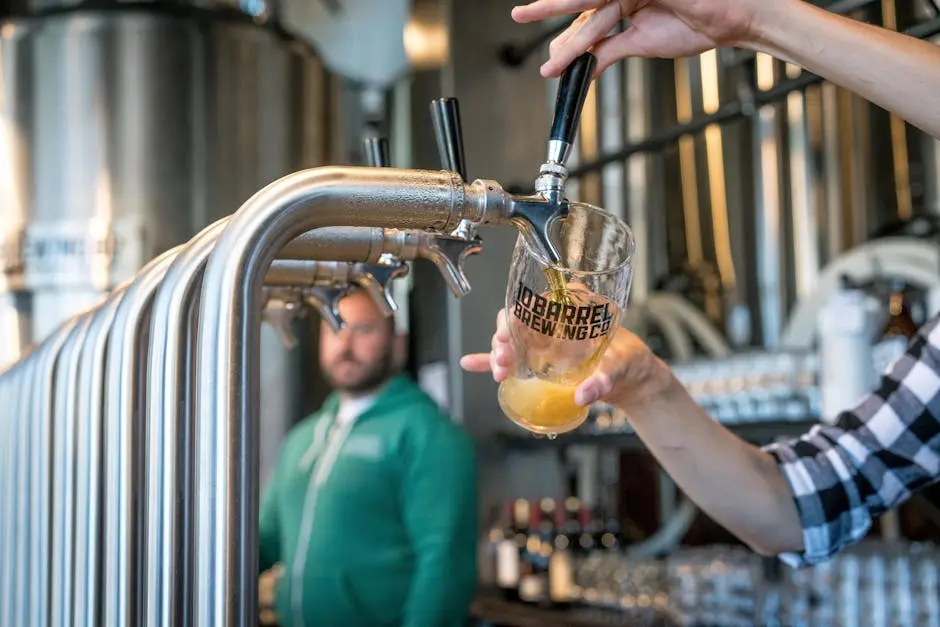
Lastly, remember that pouring technique matters! The tilt of your glass and the position of the tap can greatly influence how much foam is produced. Investing time to understand these factors can vastly improve your drinking experience.
The Importance of Regular Equipment Checks
Routine inspections of your kegs, lines, and dispensing systems can prevent many foamy beer issues. Learn what to look for and how often to perform these checks.
Establishing a regular maintenance schedule is crucial. Inspecting your equipment monthly can help identify any signs of wear or malfunction early on. Look for cracks in your kegs, check for leaks in the lines, and ensure that all fittings are secure and undamaged. A small issue can escalate quickly, leading to significant waste and, worse, un-enjoyable foamy beer.
In addition to visual inspections, listen to your equipment. Strange noises or hissing sounds may indicate underlying issues, and should never be ignored. By creating a checklist and sticking to it, you are not only ensuring quality but also prolonging the life of your equipment.
Cleaning Your Keg System: A Step-by-Step Guide
Cleaning your kegging system should be a regular part of your routine. This section will walk you through the necessary steps to ensure that your equipment is sparkling clean and ready for action.
Start by disconnecting the keg and removing all attachments. Use warm water and a specialized cleaning solution to thoroughly rinse all components. It’s crucial to let the solution dwell for a while, allowing it to break down any buildup. Make sure to scrub hard-to-reach areas with a brush to remove stubborn residue.
After rinsing everything with clean water, it’s best practice to perform a sanitization step to kill any remaining germs. This is particularly essential to prevent infections that can ruin your beer. Once everything is dry, reassemble your kegging system and you’ll be all set to pour again!
Adjusting Pressure and Temperature for Optimal Pouring
Finding the right balance of temperature and pressure is crucial for a foam-free beer experience. Here, we’ll give you the tips to adjust these settings to enhance your brewing outcomes.
First, let’s discuss pressure. A good starting point is to apply 10-14 psi for most beers, but this can vary based on the specific brew. Use a pressure gauge to make the necessary adjustments, taking care to avoid the extremes, which can cause foaming issues or flat beer.
Next, focus on temperature. Generally, lagers may be best served at 38-40°F while ales do well at 45-55°F. Keeping your beer within these ranges will allow flavors to shine and enhance drinkability. The key takeaway is that small adjustments can make a world of difference. Don’t hesitate to experiment until you find the sweet spot!
When to Seek Professional Help
Sometimes, despite our best efforts, issues can persist. Knowing when to bring in a professional can save you time and frustration. Get tips on choosing the right expert for your needs.
If you’ve tried everything and still find yourself battling foamy beer, it may be time to consult a specialist. Look for professionals with experience in beer systems and kegerators. They can provide insights you might not have considered and help identify root causes of recurring issues.
When selecting a technician, don’t hesitate to ask for references and read reviews. Remember, a well-maintained pouring system translates to a better customer experience, which can be critical for bars or home brewers aiming to perfect their craft!
Keeping It Foam-Free: A Toast to Maintenance
Regular maintenance isn’t just good practice—it’s essential for enjoying the perfect pint. By keeping your equipment in top shape and following these simple tips, you can ensure that foamy beer becomes a thing of the past. Cheers to smooth pours and great taste!