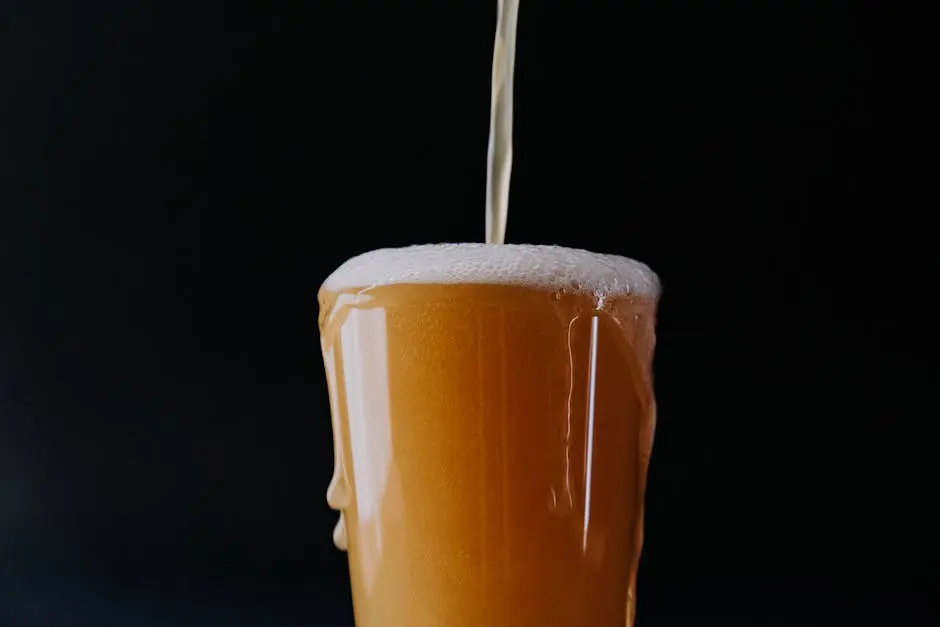
If you’ve ever poured yourself a nice cold beer only to be greeted by a frothy foam that seems more like a science experiment than a beverage, you’re not alone. Foamy beer can be a frustrating experience for many beer lovers. In this post, we’ll dive into the reasons behind that excessive foam and share some practical tips to help you enjoy the perfect pour.
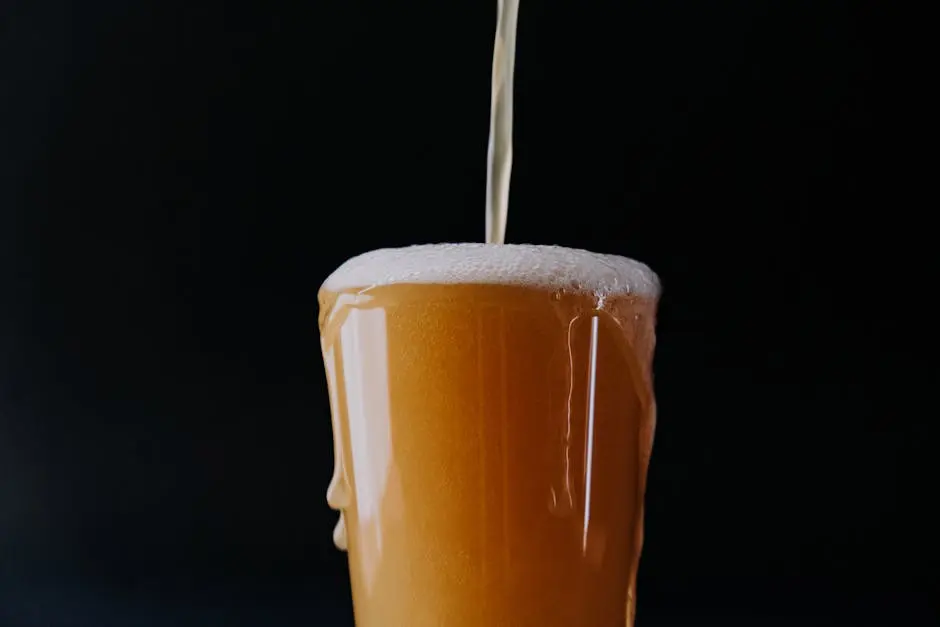
Understanding the Science Behind Beer Foam
Beer foam, or head, is a natural result of carbonation and proteins in the beer. Let’s explore how these elements work together and why too much foam can occur.
At its core, the science of beer foam revolves around two main components—carbon dioxide (CO2) and proteins. When beer is poured, the carbonation is released, creating bubbles that push upwards. This can lead to a beautifully frothy head. However, if there are too many proteins, or if the beer is overly carbonated, you’ll find yourself with an unwanted foam explosion.
Interestingly, different styles of beer contain varying amounts and types of proteins, leading to a wide range of foam stability. Lighter beers, for instance, usually have less body and thus create a different foam texture than a rich stout. Understanding these differences can help you enjoy your beer experience even more and avoid the frustration of foamy beer.
Moreover, the temperature of your beer and glass can significantly affect foam production. A colder beer might not develop as much foam initially, while a warmer beer can lead to excessive bubbling. So next time you pour, consider both temperature and the science behind the interplay of bubbles and proteins!
Common Causes of Foamy Beer
From your glassware to how you pour the beer, several factors can lead to excessive foam. We’ll discuss the most common culprits and how to identify them.
One significant cause of foamy beer comes from improper glassware. When glasses are dirty or greasy, they can interfere with the formation of the foam. Any residue left on the glass can cause bubbles to cling to the sides instead of forming a solid head. Always ensure your glasses are clean and free from any detergent residue to enjoy a proper pour.
Another common culprit is the pour itself. Pouring too aggressively can create a huge amount of foam, leading to what feels like an uncontrollable froth. Ideally, you want to tilt the glass at 45 degrees and slowly pour down the side to minimize agitation. This not only helps reduce foam but also enhances the overall drinking experience.
Additionally, the carbonation level of your beer can exacerbate the foamy situation. A beer that’s over-carbonated will produce excessive bubbles, which may not settle, no matter how gently you pour. Conversely, under-carbonated beers can also lead to a thin head that dissipates quickly. Understanding your beer’s carbonation is key to managing foam levels effectively.
And let’s not forget temperature! If your beer is too warm, it can foam excessively when poured. Ideally, serve your beer at the optimum temperature for its style, as this can significantly influence the pouring experience — another layer in this foamy saga!
Tips for Pouring the Perfect Beer
Pouring beer might seem straightforward, but there are techniques that can minimize foam. Discover the best practices for a smooth pour every time.
To start, always pour beer into a clean glass. This step may seem trivial, but it has a huge impact on how foam develops. As previously mentioned, any residue can foster inappropriate foaming. Furthermore, make sure your glass is rinsed with cold water before pouring; this reduces temperature shock and sets a stable environment for your beer.
Tilt your glass at a 45-degree angle while you pour the beer. This simple action allows the liquid to flow down the side of the glass, minimizing disruption and avoiding unnecessary foam. Once you’ve poured about halfway, you can gradually straighten the glass to create the desired head.
Another handy tip is to consider investing in a proper beer tap or a good quality beer pourer. These tools are designed to help control the flow rate, giving you a gentle pour with a perfectly crafted head. After all, enjoying your beer is as much about the presentation as it is about the taste!
Choosing the Right Glassware for Different Beers
The type of glass you use can greatly influence the amount of foam in your beer. Learn about the best glassware options for various beer styles.
Believe it or not, the shape of a glass can enhance your beer experience significantly. For example, a pint glass is fantastic for pale ales and IPAs as it allows for a generous head, enhancing aroma and flavor enjoyment. In contrast, Belgian ales often shine in tulip-shaped glasses, which help retain the beer’s unique aromas while managing foam production.
Moreover, consider using a snifter glass for richer, heavier stouts. The rounded shape allows the complex flavors to concentrate and provides room for that luxurious foam to develop without overwhelming the palate. By choosing the right glassware, you can elevate your beer-drinking experience and control the foamy challenges.
Troubleshooting Foamy Beer: What to Check
If you’re still experiencing foam issues, there are several things to check. We’ll cover a checklist of troubleshooting tips to help you get to the bottom of your foamy beer problem.
Start by examining your equipment. Is your keg or beer tap clean? Leftover yeast or other residues can lead to excessive foaming. Regular maintenance of your lines and taps ensures that your beer remains pure and inviting. If cleanliness isn’t prioritized, even the best beer can turn into a foamy disaster.
Next, verify the temperature. Check your refrigerator or cooler where your beer is stored. A beer that’s too warm is a recipe for foam calamity. Most beers flourished at specific temperatures, and keeping them chilled is crucial. Aim for that sweet spot to enhance both the flavor and the pouring experience.
Finally, if the foam persists, consider experimenting with different pouring methods. Every type of beer has its preference, and subtle variations in pouring can yield drastically different foam results. Don’t be afraid to adjust and see what method works best for you!
Wrapping It Up: Enjoying Your Beer Without the Foam Frustration
Foamy beer woes can be easily managed with the right knowledge and techniques. By understanding the factors that contribute to excessive foam and implementing these tips, you’ll be on your way to enjoying perfectly poured beer every time. Cheers!