In the world of craft beer, the perfect pour is a fine art that can make or break a brew’s experience. For craft beer professionals, understanding draft systems is essential. In this guide, we’ll explore the intricacies of draft systems, helping you enhance your pouring skills and elevate the craft beer experience for your customers. Let’s dive into the essentials of perfecting that pour.
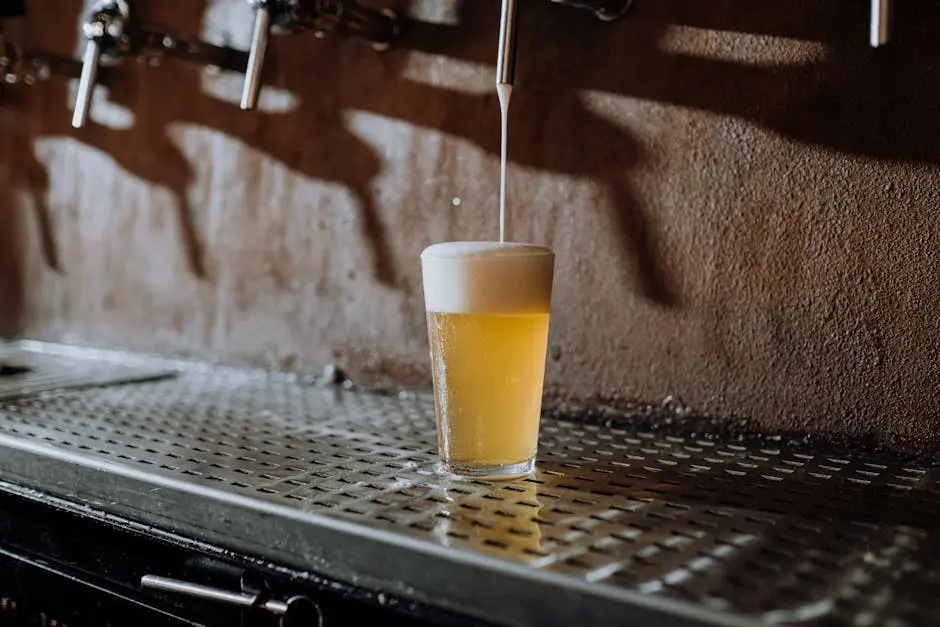
Understanding Draft Systems: A Brewer’s Essential Toolkit
Before diving into pouring techniques, let’s explore the various components of a draft system. From kegs to taps, every element plays a role in delivering quality beer. Understanding these components will set the foundation for mastering your draft system.
Kegs come in various sizes, each designed for different types of establishments. For instance, a 1⁄6 barrel keg is perfect for smaller bars or restaurants with rotating taps, while the full-size 1⁄2 barrel keg caters to larger venues. Choosing the right keg not only affects storage but also influences how often you’ll need to restock – a crucial factor for any craft beer professional.
And then there’s the tap system itself. The faucet, which delivers the beer from the keg, can significantly affect the pour technique. With different types ranging from standard to speed taps, understanding which tap suits your establishment can enhance both efficiency and the pouring experience.
Finally, don’t overlook the importance of pressure regulators and gas cylinders. The balance of CO2 plays a pivotal role in how beer is dispensed, impacting carbonation levels and taste. Craft beer professionals need to calibrate these systems to ensure the beers maintain their intended flavor profile while in service.
Choosing the Right Draft System for Your Needs
There are many types of draft systems available, each suited for different environments and needs. In this section, we will discuss the benefits and drawbacks of different systems, helping you select the best fit for your establishment.
A direct draw system, for instance, is favored by many small pubs for its simplicity. This setup involves a keg located directly beneath the tap, ensuring that the beer is served fresh and cold. However, if your venue is larger or showcases a more extensive selection, a remote draft system might be the solution. This allows for longer beer lines but requires more mindful planning to maintain temperature and pressure.
Moreover, consider the aesthetics. A beautifully installed draft system not only serves a practical purpose but can also enhance the ambiance of your bar. Craft beer professionals should weigh how different designs and finishes complement their overall decor, as this adds to a customer’s experience.
Budget is always a factor. While investing in a top-notch system may seem daunting, consider it an investment in quality service. Higher-end systems can lead to improved pour consistency and reduced waste, ultimately driving better sales and customer satisfaction.
Maintaining Your Draft System: Tips for Optimal Performance
Regular maintenance of your draft system is vital to ensuring optimal performance. Learn about cleaning schedules, troubleshooting common issues, and keeping your system in top shape to avoid any service interruptions.
One of the most overlooked aspects of maintenance is the cleaning regimen. It’s recommended to clean your draft lines every two weeks to prevent off-flavors and bacteria growth. Craft beer professionals should establish a solid schedule and stick to it—the quality of your beer depends on it!
Additionally, monitor your equipment regularly. Any unusual noises, inconsistent pours, or foamy beers could be a sign that something needs attention. Timely detection and correction can save you from larger issues down the road, including costly repairs and unhappy customers.
Don’t forget about the importance of staff training in the maintenance program as well. Every team member, from the bartender to the manager, should be aware of how to maintain the systems and spot early warning signs.
Perfecting the Pour: Techniques Every Professional Should Know
The pour itself is an art form that enhances the flavor and presentation of craft beer. We will discuss the perfect pouring techniques, including glass angle, pouring speed, and height to achieve that ideal head.
A proper pour begins with a clean glass and the right angle. Starting with the glass at a 45-degree angle helps to control the initial foaming. As you near the end of the pour, you can adjust the glass to upright to create the perfect head—generally about one inch for optimal aroma retention.
Moreover, timing is key. Pour too fast and you’ll end up with a frothy mess; too slow, and you might deliver a flat brew. Aim for a steady hand and a rhythm that works well with your flow pressure. Craft beer professionals must practice until it feels second nature.
Finally, remember that every style of beer has its preferred pouring technique. For example, stouts often benefit from a lower tap height for a creamier finish, while lagers can afford a bit more distance to achieve that crisp, clean look. As experts, being aware of these differences can enhance not only customer satisfaction but also your own reputation in the craft beer community.
Innovations in Draft Technology: What’s Next for Craft Beer Professionals?
The craft beer industry is always evolving, and so is draft technology. Here we will look at the innovative tools and systems that are changing how professionals serve beer, making it easier than ever to craft the perfect pour.
For starters, smart dispense systems are becoming increasingly popular. These systems monitor flow rates and carbonation levels in real-time, significantly reducing the guesswork for bartenders. Craft beer professionals can ensure consistency and quality while spending less time troubleshooting.
Another exciting advancement is in the realm of mobile and portable draft systems. These handy units allow craft beer professionals to bring the taproom experience to events, festivals, and even private parties. Imagine setting up a full draft line in minutes, serving guests fresh craft beer wherever they are!
Finally, sustainability is becoming a central theme. Many breweries and bars are investing in eco-friendly keg solutions and energy-efficient systems, making it easier to meet consumer expectations without sacrificing quality. Craft beer professionals who adapt early will find themselves leading the way toward a greener future.
Pouring Success: The Key Takeaways
Mastering the art of draft systems is crucial for craft beer professionals who want to deliver an exceptional tasting experience. By understanding the components, maintenance, and techniques involved, you can ensure that every pour is perfect. With the right knowledge, you’ll not only satisfy your patrons but also create a loyal following eager to return for more.