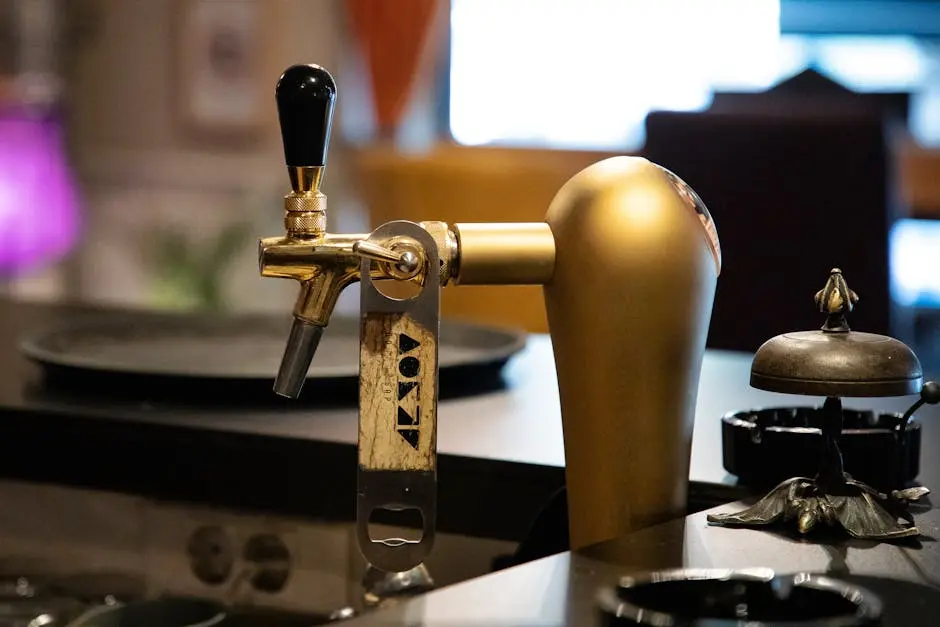
Cleaning beer lines may seem daunting, especially for beginners, but it’s a crucial part of maintaining a quality beer experience. By mastering this skill, you ensure that every pour is fresh, tasty, and free from unwanted off-flavors. In this guide, we’ll break down the cleaning process into easy steps, making it accessible and enjoyable. Let’s dive in!
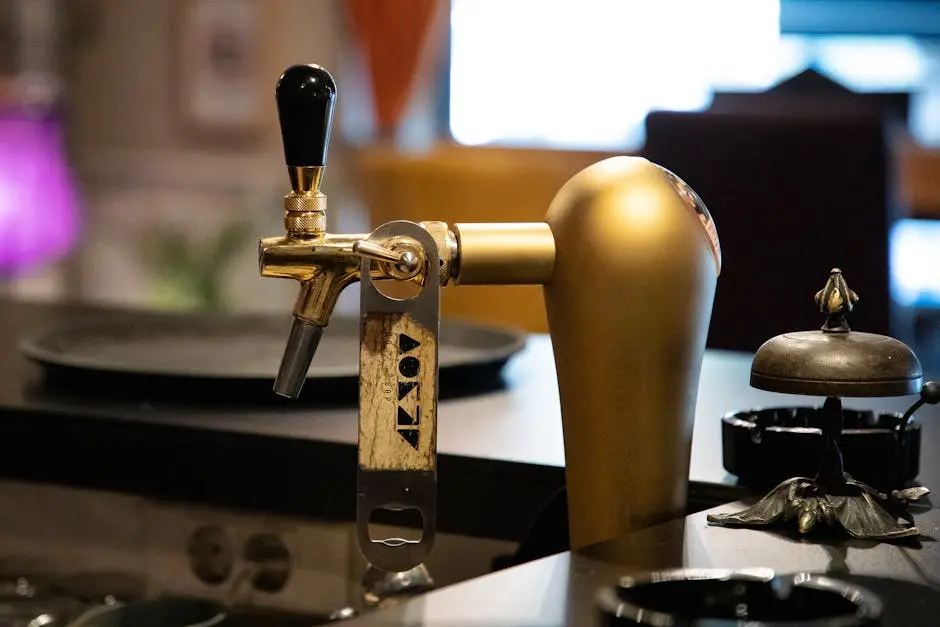
Understanding the Importance of Clean Beer Lines
Learn why maintaining clean beer lines is vital for flavor quality, hygiene, and your overall brewing experience.
When it comes to enjoying a perfectly poured pint, clean beer lines are your best friend. Over time, residue from yeast, bacteria, and minerals can accumulate, leading to off-flavors that can ruin even the finest craft beers. This issue is particularly problematic in kegerators or home brewing setups where beer is served straight from the tap. If you’ve ever tasted a beer that seems to have a strange taste or smell, it could very well be due to dirty lines. Therefore, taking the time to regularly clean and maintain your beer lines is not just important—it’s essential.
In addition to taste, hygiene plays a critical role as well. A clean line helps to prevent microbial growth that could contaminate your beer. This is particularly vital for those who brew beer at home or operate a taproom, where the quality of every pour counts. Regular maintenance of your lines creates a healthier brewing environment, ensuring that your craft isn’t compromised by unwanted contaminants. Ultimately, clean beer lines lead to happier pals enjoying better beers!
Essential Equipment for Cleaning Beer Lines
Discover the tools and supplies you’ll need for an effective cleaning process, including brushes, cleaning solutions, and more.
To embark on your cleaning journey, you must first gather the necessary equipment. This isn’t just about having a scrub brush on hand; the right tools make all the difference. Ideally, you’d want a set of brushes specifically designed for beer lines, as they help penetrate the kinks and bends in your tubing where grime often hides. A long-handled brush is particularly useful for this task.
Next, let’s talk about cleaning solutions. You can opt for commercial cleaners designed specifically for beer systems or create your own. A simple mix of hot water and a non-caustic cleaner can do the trick. Remember, avoiding bleach is crucial as it can leave residues that affect the taste of your beer. Once you’ve got the basics down, don’t forget about connectors and fittings. These small parts can be easily overlooked but can accumulate residue as well. Equip yourself with a basic set of tools tailored for these components to ensure every inch of your beer system is spotless.
Step-by-Step Guide to Cleaning Your Beer Lines
Follow this easy, detailed guide to clean your beer lines, from preparation to the final rinse, ensuring every step is covered.
Cleaning your beer lines is a straightforward process if you follow the right steps. Start by disconnecting the beer line from the tap and the keg. Don’t forget to release any pressure by pulling the tap, allowing the remaining beer to flow out. This initial step is crucial, especially if you’ve had a long day brewing.
Once the lines are disconnected, prepare a cleaning solution in a bucket or a keg. If you’ve chosen a commercial cleaner, follow the instructions for dilution. For a homemade solution, mix warm water with your chosen cleaner—ensuring it’s effective yet gentle enough not to damage your lines. After that, use a pump to circulate the cleaning solution through your lines. A good rule of thumb is to let this circulate for at least 15-20 minutes. During this time, you can clean the connectors and fittings separately, ensuring every part is free from residue.
Finally, it’s time for the rinse. Rinse all components thoroughly with clean, warm water. This step ensures that no cleaning solution remains, preserving the flavor of the beer. After everything has been rinsed, reassemble your lines, and you’re all set! Make sure to test the system with a small batch of beer first to ensure that everything is clean and working as it should.
Common Mistakes to Avoid When Cleaning Beer Lines
Identify typical pitfalls beginners face when cleaning beer lines and learn how to steer clear of them for optimal results.
As a beginner, it’s easy to make mistakes when cleaning beer lines. One common pitfall is neglecting to clean the connectors, leading to leftover residue affecting the flavor of the beer. Another mistake is using cleaning tools that are too abrasive, which can scratch tubes and create spaces for bacteria to grow. Remember, gentle but thorough is your mantra here!
Another mistake often made is failing to follow the recommended cleaning schedule. Delays can accumulate grime, making future cleaning sessions tougher and less effective. A good practice would be to set reminders or use a schedule chart to keep track of cleaning times. And don’t rush—take your time to ensure everything is spotless. Finally, failing to flush the lines with fresh beer after cleaning can lead to off-flavors in subsequent pours. A simple test pour following your cleaning routine can save you from serving unwanted flavors!
Tips for Regular Maintenance of Beer Lines
Get practical advice on establishing a regular cleaning schedule and best practices for maintaining your system.
Establishing a regular cleaning schedule for your beer lines is crucial. Consider cleaning them every two weeks, or even weekly if you’re serving a high volume of beer. The consistent upkeep will not only enhance the taste of your beer but will also make your cleaning tasks easier in the long run. To keep track of this schedule, try marking it on a calendar or using an app that sends reminders.
In addition to cleaning, there are a few maintenance tips you shouldn’t overlook. Make it a habit to inspect your beer lines regularly for any signs of wear and tear. Check for cracks, leaks, or build-ups that may have been missed during cleaning. Keeping an eye on these small details can prevent costly repairs later on. Lastly, don’t hesitate to switch to new lines or components when needed; investing in quality equipment can significantly enhance your brewing experience and the flavor of your beer.
Cheers to Fresh Beer!
With these straightforward steps and tips, you’re now equipped to clean your beer lines regularly and effectively. Consistent maintenance will not only keep your beer tasting great, but it can also prolong the life of your equipment. Remember, a clean line is key to a perfect pour!