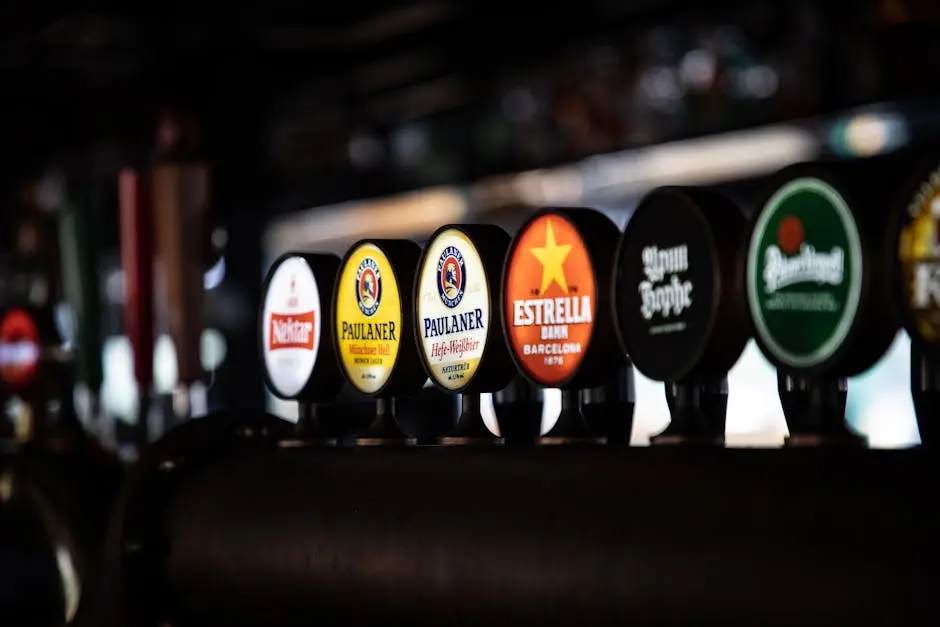
Keeping draft lines clean is crucial for maintaining a high-quality brewing experience. Whether you’re a home brewer or a professional, understanding the frequency of cleaning your draft lines can greatly improve the taste and quality of your beverages. In this blog, we’ll explore the essential factors that influence cleaning schedules and provide you with practical tips for maintaining your draft lines.
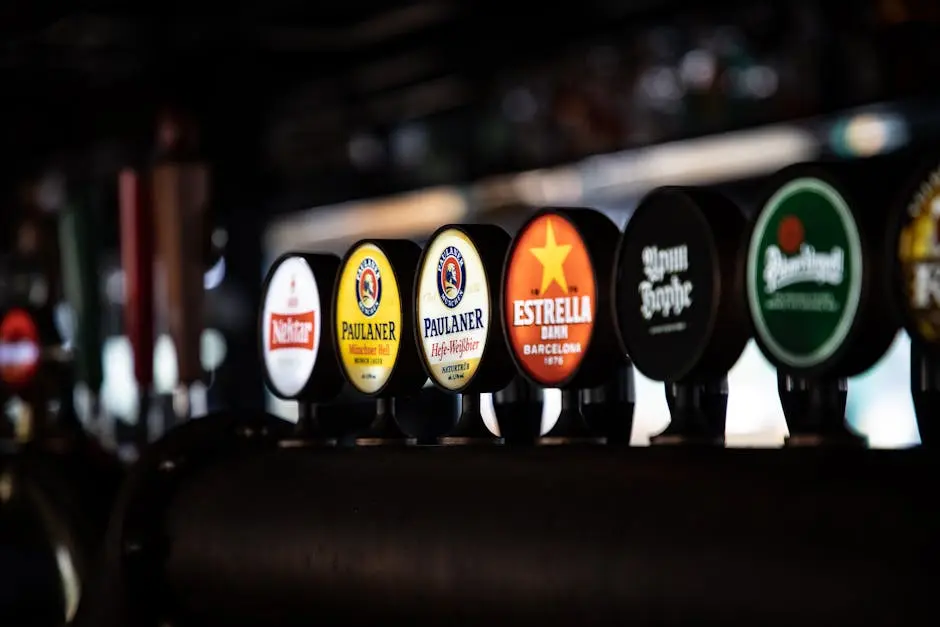
Understanding Draft Lines and Their Importance
Draft lines play a critical role in delivering your beverages from keg to glass. They are the pathways that your beer or cider flows through, and any buildup inside these lines can lead to off-flavors and quality issues.
When ignored, even the most finely crafted beverages can suffer greatly. Over time, yeast and other residues accumulate, creating an environment that can spoil the taste. It’s akin to letting food linger on a plate; soon enough, it becomes unappetizing.
Another important aspect of draft lines is their impact on the overall presentation of your drinks. Imagine serving a perfectly brewed pint, only to have it marred by a dirty glass due to contaminants in the lines. Thus, the importance of clean draft lines extends beyond flavor—it’s about the entire brewing experience.
Factors Influencing Cleaning Frequency
The frequency at which you should clean your draft lines depends on various factors, including the type of beverage served, the volume of sales, and the length of the lines. We’ll delve into each factor and how it can guide your cleaning schedule.
For instance, if you’re pouring high-hop craft beers, you might find yourself needing more frequent cleanings. Hops can leave a sticky residue that, if left unchecked, can develop into a serious problem. Likewise, carbonated beverages require a different approach due to the unique chemicals involved.
Moreover, the length of your draft lines matters significantly. Longer lines can increase the chances of buildup, as beer has more contact time with the inner walls. Think of it like trying to clean a long straw versus a short one; the longer the straw, the harder it is to keep it spotless.
During peak sales periods, cleaning more often becomes a necessity. A busy bar on a Saturday night may require different maintenance than a quiet Wednesday afternoon. By understanding these factors, you can customize your cleaning schedule to suit your operations perfectly.
Recommended Cleaning Practices
There are established best practices for cleaning draft lines. From using the right cleaning solutions to the proper techniques, we’ll break down the steps to ensure thorough cleanliness.
First, it’s essential to choose a suitable cleaning solution. Many breweries recommend specific products designed for draft line maintenance. These solutions are formulated to tackle the various residues found in beer lines, providing a deeper clean without damaging the lines.
The cleaning process itself involves running the solution through the lines, allowing it to sit for a designated time. This soaking period is crucial; it allows the cleaner to break down stubborn residues. Afterward, flushing the lines with water to remove all cleaning agents is equally important to prevent tainting future batches.
Employing a cleaning tap can simplify the process significantly. This specialized tool allows you to connect a cleaner directly to your draft system, making the cleaning process much more efficient. Always ensure you follow manufacturer guidelines for a safe and effective cleaning experience.
Signs Your Draft Lines Need Attention
Knowing when to clean your draft lines is just as important as the act itself. We’ll highlight some telltale signs that indicate it’s time for a deep clean.
One clear indicator is the appearance of off-flavors in your beverages. If customers start commenting on strange tastes, it may be due to unclean draft lines. Additionally, if you notice a decline in carbonation levels or excessive foaming, it’s a red flag.
Visual cues can be helpful as well. If you spot dark build-up or a cloudy appearance in your beer, these are signs that your draft lines need immediate attention. It’s crucial to catch these signs early; otherwise, you risk irreparably affecting the brew’s integrity.
Also, check for any noticeable change in beer flow. A slow dispense could signal a blockage due to buildup. Implementing a system to regularly assess the quality and flow of your drinks can help you catch these signs before they turn into a larger problem.
Scheduling Your Regular Cleanings
Creating a cleaning schedule can help ensure your draft lines remain in top condition. We’ll provide guidance on how often to schedule cleanings based on your unique brewing situation.
For many establishments, a good rule of thumb is to clean draft lines every two weeks. This regularity can accommodate the demands of busy bars while ensuring the optimal taste quality is maintained. However, for higher volume establishments, weekly cleanings may be more appropriate.
Another strategy is to align cleanings with beer rotations or events. If you’re introducing a new craft beer or hosting a brewing event, cleaning your lines beforehand ensures your new flavors shine without taint from old residues. Being proactive instead of reactive can save you headaches in the long run.
Finally, consider seasonal factors, too. During busy seasons, increasing the frequency of your cleanings can prevent quality degradation due to higher drink production. Regular assessments and adjustments to your cleaning schedule based on sales data will lead to an overall better outcome.
Final Thoughts on Draft Line Maintenance
In conclusion, regularly cleaning your draft lines is essential for preserving the quality of your beverages and ensuring an optimal brewing experience. By paying attention to the factors that affect cleaning frequency, you can create a maintenance routine that fits your brewing habits. Remember, a clean draft line means a happier palate!