Maintaining draft lines is crucial for ensuring the quality and taste of your favorite beverages. Whether you’re running a bar, pub, or home brewing setup, knowing how to properly care for your draft system can make all the difference. In this guide, we’ll explore best practices for draft line maintenance, focusing on how often draft lines should be cleaned and other essential tips. Let’s dive in!
Understanding Draft Lines and Their Importance
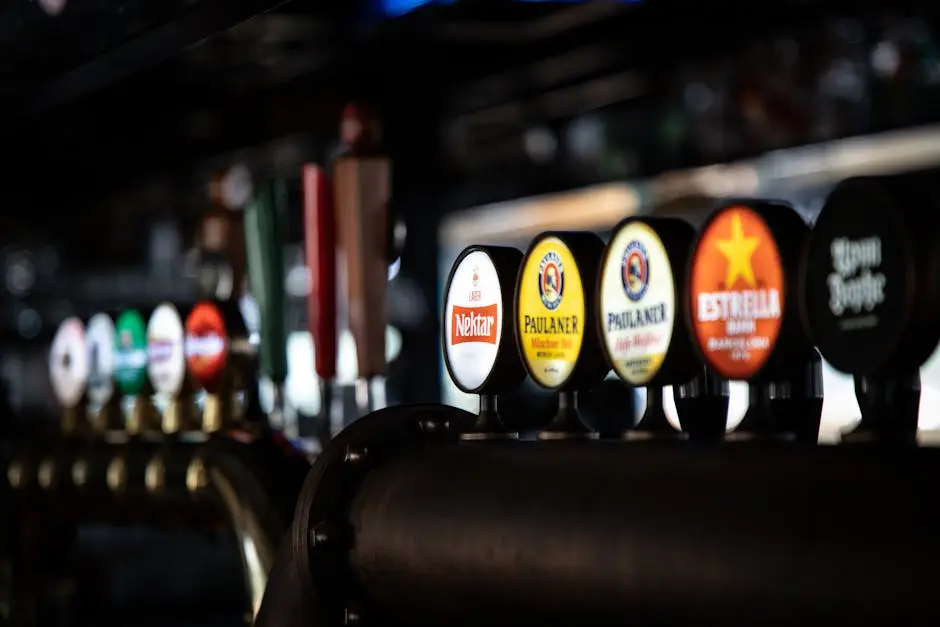
Draft lines are the unsung heroes of beverage serving, transporting drinks from kegs to taps. Understanding how they work is essential for anyone involved in the beverage industry. These lines, while often overlooked, play a pivotal role in maintaining the integrity of each pour. When properly managed, they contribute to the overall quality of the drink, ensuring that flavors are preserved and that the beverage served is as intended.
Moreover, the cleanliness of draft lines directly affects not just taste, but also the health standards of the establishment. When contaminants party with your precious brews, it can lead to off-flavors and worse—potential health hazards. Therefore, to appreciate the full potential of your drinks, let’s delve deeper into how draft lines are meant to be maintained.
In essence, understanding the architecture of your draft system equips you with the knowledge to accurately identify problems and address them. Neglecting this critical aspect could lead to a slow degradation in the quality of service your patrons come to expect.
How Often Should Draft Lines Be Cleaned?
Cleaning frequency is critical to maintaining the flavor and hygiene of your draft beverages. Industry standards recommend that draft lines should be cleaned at least every two weeks. However, if your venue has a high volume of customers, weekly cleaning may be necessary. It’s important to stay attentive to any changes in taste or quality—that may indicate it’s time to clean more frequently.
But why the urgency, you may ask? Over time, beer and other beverages can leave residues that attract bacteria. This buildup can lead to issues like off-flavors or even odors, which can tarnish the drinking experience. So, understanding how often draft lines should be cleaned is a crucial part of your maintenance checklist.
In addition, always keep an eye on the carbonation level; over-carbonated drinks can leave excess foam and create an environment ripe for unwanted particles. Cleanliness is next to deliciousness!
Comprehensive Cleaning Procedures
Learn about the step-by-step cleaning procedures, including the right solutions to use and how to tackle stubborn deposits that may affect your drink quality. Start by disconnecting the keg and flushing the lines with a cleaning solution specifically designed for draft systems. You can use a mixture of warm water and a professional-grade cleaner that’s safe for food and beverage use.
Next, let the solution sit in the lines to effectively break down any buildup. This allows the cleaner to work its magic. After a good soak, it’s time to rinse thoroughly until the cleaner is completely flushed out. This part is key; any leftover cleaning solution can adversely affect flavors and make for an unpleasant experience.
As you go through this procedure, remember it’s not just about cleaning but also about inspecting. Look for any cracks or wear in the lines that might need repairing or replacing. Consistency in cleaning leads not only to better tasting drinks but also extends the life of your equipment, which can save you money down the line.
Spotting Signs of Contamination
Being able to identify early signs of contamination can save you from larger issues down the line. This section covers what to watch out for and how to react. Take note if you ever notice sludgy deposits in your beer lines or uncharacteristic variations in taste when you pour a drink.
Another red flag is excessive foaming; this symptom often indicates residue buildup that needs immediate attention. If your draft doesn’t flow smoothly, it might be time for a cleaning intervention. Be observant; your intuition and proactive care are your greatest allies in draft line maintenance.
Bottom line, if something seems off, it’s best to err on the side of caution and check your lines. A little investigation can save a lot of time, money, and customer disappointment.
The Benefits of Regular Draft Line Maintenance
Regular maintenance not only ensures better tasting drinks but can also reduce waste and improve customer satisfaction. Here are the key benefits. First, keeping draft lines clean significantly enhances the flavor profile of beverages. No one wants to sip on a pint that tastes metallic or stale—consistent cleaning helps ensure the drink’s taste matches what customers expect.
Another crucial benefit is efficiency. Clean lines lead to less foam, meaning you can serve more pints per keg. Plus, happy customers are likely to return, boosting your reputation and ultimately your bottom line.
Knowing that you’re providing the best possible experience may also bring satisfaction to you as a merchant. Regular cleaning fosters a sense of pride in your operation, leading to better overall service and increased employee morale.
Incorporating Technology for Efficiency
Explore how modern technology and tools can streamline the maintenance process of draft lines, making it easier and more efficient than ever before. With an array of available cleaning devices that automate much of the process, you can simplify maintenance and spend more time focusing on service.
For instance, many establishments are now using push-button cleaning systems that allow for thorough cleaning of lines at the press of a button. These advanced systems often come with built-in monitoring that alerts you when it’s time for that all-important cleaning procedure.
Adopting such innovations not only elevates your cleaning standards but also ensures that your staff spends less time wrestling with equipment and more time engaging with patrons. In a busy bar or restaurant, efficiency translates to better service, and we all know that happy customers lead to repeat business.
Final Thoughts on Draft Line Care
By following these best practices for draft line maintenance, you can ensure a consistently great taste in every pour. Regular cleaning and proper care not only enhance the quality of your beverages but also prolong the life of your draft system. Implementing these guidelines will keep customers happy and help you avoid costly repairs in the long run. Cheers to perfectly maintained draft lines!