As the craft beer industry continues to grow, a well-maintained draft system is essential for delivering the best pint possible. In this blog, we’ll explore maintenance secrets shared by craft beer professionals to ensure your draft systems are in top shape. Whether you’re a brewer, bar manager, or homebrewer, these tips will help you keep your beer flowing perfectly.
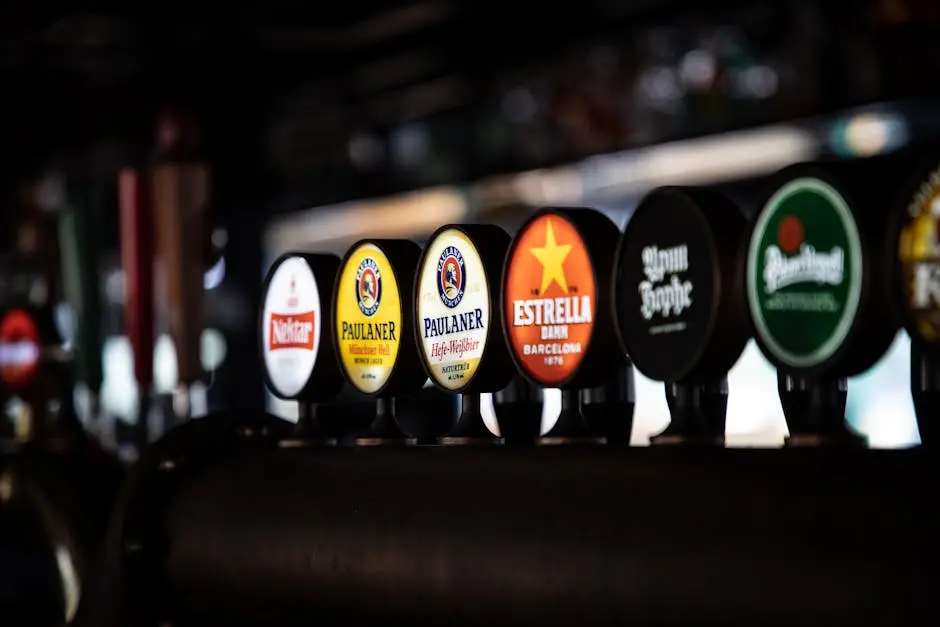
Understanding the Basics of Draft Systems
Before diving into maintenance, it’s crucial to understand how draft systems operate. This section will break down the essential components and their functions, helping you grasp why maintenance is necessary.
At the heart of every draft system are its main components: the keg, the beer lines, the faucet, and the coupler. Each plays a critical role in delivering a perfect pour. For instance, the coupler connects the keg to the lines, allowing beer to flow. If you overlook the upkeep of these elements, it could lead to varying beer quality or, worse, complete system failure.
Understanding your system isn’t just for troubleshooting; it’s also essential for regular maintenance. For example, knowing how to identify and clean the beer lines can prevent bacteria buildup that compromises flavor. When each component is familiar and understood, maintaining the entire system becomes a manageable task.
Routine Cleaning: The Key to Great Beer
Regular cleaning is vital to maintain flavor and quality. Learn how often you should clean your lines and the right products to use for effective cleaning.
Ideally, you should clean your draft lines every two weeks. However, this timeline can change depending on beer types and volume served. Dark ales and IPAs tend to leave more residues behind, thus requiring more frequent cleanings. By sticking to a consistent schedule, you’ll ensure that old beer residue won’t spoil the taste of your freshly poured pints.
When cleaning, always use specialized cleaning solutions designed for beer lines, as these can effectively break down residual buildup without damaging the lines themselves. Remember, a clean system not only keeps flavors intact but also prolongs the life of your equipment—saving you money in the long run.
Temperature Control: Keeping It Cold
Temperature plays a critical role in serving quality beer. This section will explain the importance of maintaining the right temperature and how to monitor it effectively.
The general rule of thumb is to serve most craft beers between 38°F and 45°F. If served too cold, you risk masking the beer’s true flavors, while serving too warm can unleash unwanted aromas and tastes. To ensure you’re always within this ideal range, invest in an accurate thermometer. Regularly checking the temperature of both the keg and the lines can help catch any issues before they spoil a batch.
Moreover, external factors such as kitchen heat or ambient temperature play a significant role in draft system performance as well. It’s a good idea to inspect your system’s location regularly to prevent excess heat buildup, ensuring each pour maintains the integrity of your hard-earned craft.
Carbon dioxide Management: The Right Pressure Matters
Too much or too little CO2 can ruin a beer. Here, we will share tips from professionals on how to set and manage the right pressure for your draft system.
Begin by determining the correct PSI for your specific beer types and setups; lagers typically require about 10-12 PSI, while IPAs may need 12-14 PSI. Utilizing a CO2 regulator ensures your pressure remains consistent, which in turn facilitates a stable pour. It’s also wise to calibrate your gauge and monitor CO2 levels regularly—changes in temperature or equipment can mood your system’s pressure.
One effective method learned from industry veterans is to test your system with a simple pour. If the beer foams excessively, lower the CO2 levels slowly until you find the sweet spot again. Conversely, if the beer pours flat, you may need to increase pressure gradually. This hands-on approach can save you from the frustration of serving poorly carbonated beer, which only leads to disappointment for your patrons.
Troubleshooting Common Draft System Issues
Even with regular maintenance, issues can arise. This section will help you identify common problems and provide solutions to get your system back in working order.
One common issue is undesired foaming. Often, this is due to overly high CO2 pressure or dirty lines. First, check your pressure settings and ensure they align with your beer type. If everything seems fine there, consider cleaning your lines to eliminate gunk causing the foaming.
Another frequent hurdle involves beer not flowing at all. This could stem from a clogged line or a malfunctioning keg coupler. Inspect each segment of your setup methodically. Oftentimes, a little troubleshooting can quickly resolve what’s turning into a larger problem, allowing you to serve your patrons without delay.
Expert Tips from Industry Professionals
We’ll wrap up with exclusive tips and tricks from craft beer professionals who have years of experience managing draft systems. Their insights can save you time, money, and improve beer quality.
One of the most valuable tips is to keep a maintenance log. Documenting each cleaning, repair, and adjustment you make not only helps you track your system’s history, but it can also alert you to recurring issues or inefficiencies. This practice establishes an ongoing relationship with your system, allowing you to anticipate any necessary adjustments as the demand for your craft increases.
Another pearl of wisdom from the pros is to establish relationships with your beer suppliers. They can provide specific insights into your cask’s characteristics and recommend optimal maintenance practices tailored to each style you serve. Their expertise combined with your diligent practices can elevate the quality of the craft beer experience you offer.
Final Thoughts on Draft System Maintenance
By implementing these maintenance secrets from craft beer professionals, you can extend the lifespan of your draft systems and enhance the quality of your brews. Regular checks and attention to detail go a long way in keeping your setup optimally functioning—cheers to better beer!