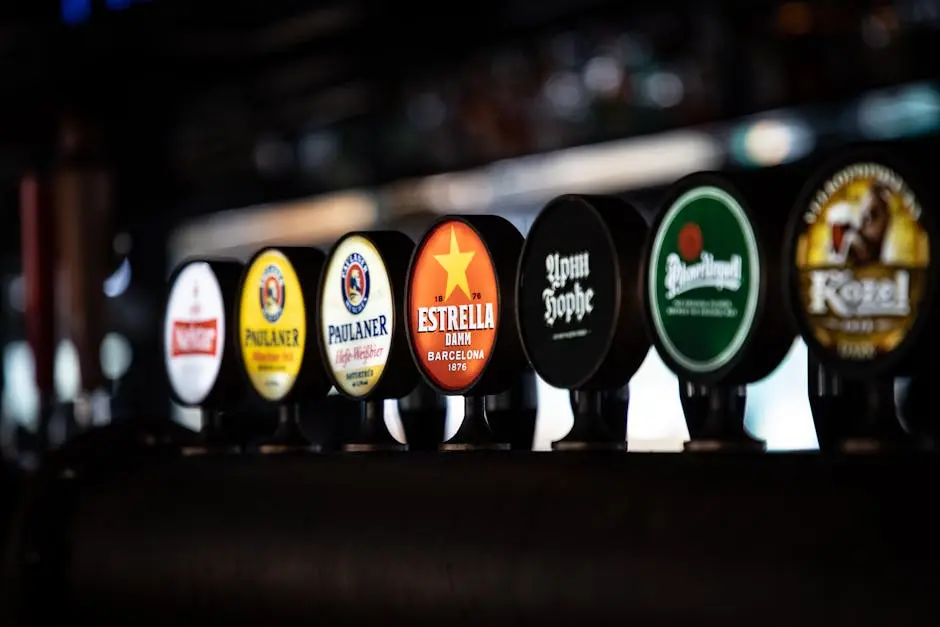
When it comes to serving the perfect pint of draft beer, the installation process plays a crucial role. Ensuring everything runs smoothly can make all the difference in customer satisfaction. In this blog post, we’ll explore the key considerations for a successful draft beer installation, so you can enjoy a hassle-free operation and keep the good times flowing.
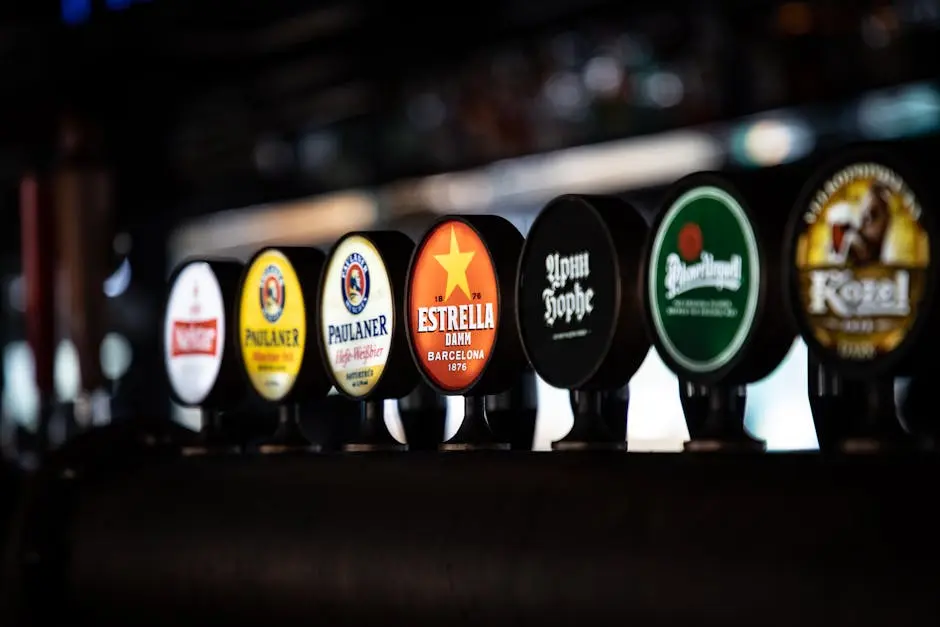
Understanding the Basics of Draft Beer Systems
Before diving into installation, it’s essential to understand how draft beer systems function. This section will cover key components such as kegs, couplers, tap systems, and how they work together to deliver that perfect pour.
At its core, a draft beer system consists of a few essential components. The first is the keg, which stores the beer and is responsible for its carbonation. Then there’s the coupler, which attaches the keg to the draft system and facilitates the flow of beer. Finally, the tap is the final gateway that delivers the beer to the glass. Understanding these parts allows you to grasp not just their individual roles, but also how they cooperate to create a seamless drinking experience.
Beyond just knowing the components, it’s important to recognize how temperature and pressure affect draft beer. For example, maintaining the right temperature means ensuring your beer is served cold and refreshing, which enhances the taste. Similarly, knowing how to regulate pressure through the CO2 tank is vital for avoiding foam and ensuring a well-balanced pour.
Choosing the Right Equipment for Your Needs
Selecting the right equipment for your establishment is crucial to meet demand and maintain beer quality. We’ll discuss different types of draft systems, including direct draw and long-draw systems, and help you determine what’s best for your space.
The decision comes down to understanding the unique needs of your establishment. For smaller venues, a direct draw system may be the most efficient choice, as it requires less space and provides a direct line from the keg to the tap. In contrast, larger venues might benefit from a long-draw system, which uses insulated beer lines to deliver beer over longer distances without compromising quality.
Additionally, investing in high-quality equipment can yield long-term benefits. Consider factors such as keg size, the number of taps, and compatibility with various beer styles when making your purchase. Researching reputable manufacturers can also make a significant difference, as durable equipment can reduce maintenance costs and downtime.
Ultimately, your equipment choices can create a smoother workflow for your staff and enhance the customer’s experience. Conducting thorough research and possibly consulting with industry professionals can set you on the right path to establishing a draft beer system tailored to your needs.
Location, Location, Location: Optimal Placement for Your Draft System
The placement of your kegs and tap system can significantly affect performance. In this section, we’ll look at how to choose an ideal location for your draft beer installation, considering factors like draft line length, temperature, and accessibility.
When selecting a location for your draft beer installation, it’s critical to keep the distance between the keg and the tap in mind. Shorter distances generally reduce foam and wastage. Therefore, having your kegs close to the tap system ensures a fresh pour, allowing customers to enjoy a high-quality beverage every time.
Temperature regulation is another essential aspect to consider. Draft beer should be stored at a cold temperature, ideally between 34°F to 38°F, to maintain optimal flavor and freshness. Ensure the area you choose doesn’t expose the kegs to heat sources or direct sunlight, as this can affect the beer’s taste.
Furthermore, ensuring there’s ample space for staff to operate easily and customers to access the taps without crowding is vital. A smart layout encourages productivity and enhances customer interaction, creating an inviting atmosphere while serving the perfect pint.
Installation Steps: From Planning to Execution
We’ll walk you through the installation process step-by-step, making it easy to understand what needs to be done, from planning the layout to connecting the lines and installing the taps.
Every successful installation begins with meticulous planning. Draw out a diagram of your workspace and mark where each component will go. This not only helps visualize the setup but allows you to consider obstacles like walls, shelving, or existing plumbing. Don’t forget to measure your space before purchasing equipment to avoid surprises.
Once your layout is planned, it’s time to gather the necessary tools and materials. Ensure you have all the equipment ready before you start; this includes your kegs, taps, CO2 tanks, beer lines, and any fittings required. By having everything on hand, you can work through the installation without unnecessary delays.
Finally, proceed with the installation carefully, following the manufacturer’s instructions meticulously. It can be tempting to rush through, especially when excitement builds for that first pour, but taking the time to execute each step properly ultimately pays off in performance and sustainability of your system.
Maintenance Tips to Ensure Longevity and Quality
Once your draft system is installed, regular maintenance is key to keeping it in top shape. This section offers practical tips for cleaning, troubleshooting common issues, and maintaining the quality of your draft beer for satisfied customers.
Routine cleaning is a fundamental aspect of draft system maintenance. Implementing a cleaning schedule—ideally every two weeks—ensures that buildup and residue don’t affect your beer’s taste. Consider using a dedicated cleaning solution designed for beer lines to remove even the toughest grime.
In addition to cleaning lines, don’t overlook the importance of checking gaskets and seals regularly. Replace any worn-out parts promptly to prevent leaks, which can lead to waste and excess foam. Keeping spare parts on hand can minimize downtime and unnecessary frustration for both staff and patrons.
Additionally, training your staff on proper pouring techniques can enhance the overall experience for customers. The right pour not only maximizes flavor but also prevents excess foam, resulting in less waste and a more enjoyable pint.
Final Thoughts on Draft Beer Installation
By taking these considerations into account, your draft beer system will not only function efficiently but also enhance the overall customer experience. Proper installation and maintenance are essential for keeping your operations running smoothly and your customers happy. Cheers to that!